Collection: Dehydrated Skin
Hydration is not just a surface-level issue. Dehydrated skin can look:
✔ Tight, uncomfortable (even after moisturising)
✔ Fine lines that appear more visible or “crepey”
✔ Dull, flat complexion
✔ Makeup sitting poorly or separating
✔ Oiliness and dehydration at the same time
✔ Skin that feels reactive, inconsistent or unpredictable
Does this sound like your skin?
If yes, you’re not alone - and restoring hydrated happy skin is possible.
With over 25 years of experience treating dehydrated skin, I’ve learned that true hydration isn’t about surface moisture, but about restoring the skin’s ability to retain water and function optimally. ~ Yasmine x

Not sure if this is your skin concern? Explore other common skin concerns.
-

Pigmentation & Sun Damage
Pigmentation can present in a number of ways... ✔ Dark spots or...
-

Facial Redness & Rosacea
Flushed cheeks? Visible veins? Rosacea and sensitivity are common, especially in hot...
-

Discover What's New
New, clinical, and clever. Our latest launches are packed with skin-loving science,...
-

Exfoliants
Our range of exfoliants; acids, enzymes, and scrubs - smooth, refresh, and...
-

Acne & Congestion
can show up in many different ways... ✔ Hormonal breakouts around chin...


Over 60% of Australians believe they have sensitive skin…but in clinic, I see something very different.
Hydration is not a surface-level issue. It’s what determines how your skin functions.
If you don’t correct dehydration first, you won’t get results - no matter what skin concern you have.
Drinking water won't hydrate your skin but the LumeCeuticals Skin System will.
If your skin isn’t functioning properly - this is where you start, with The Hydration Reset.


Follow these 3 Steps to Hydrated, Healthier Skin
Step 1 - Cleanse & Prepare
-
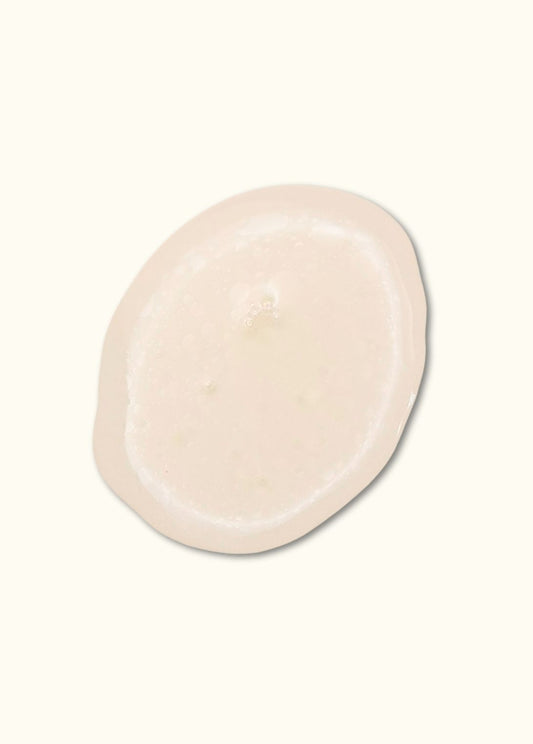
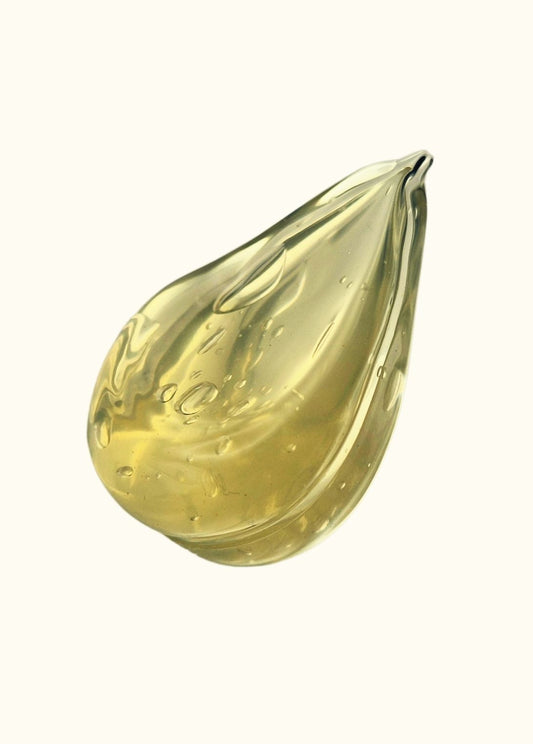
HYDRATE hyaluronic booster
Regular price From $30.00 AUDRegular priceUnit price per -
IMMERSE corrective cleanser
Regular price From $12.00 AUDRegular priceUnit price per -
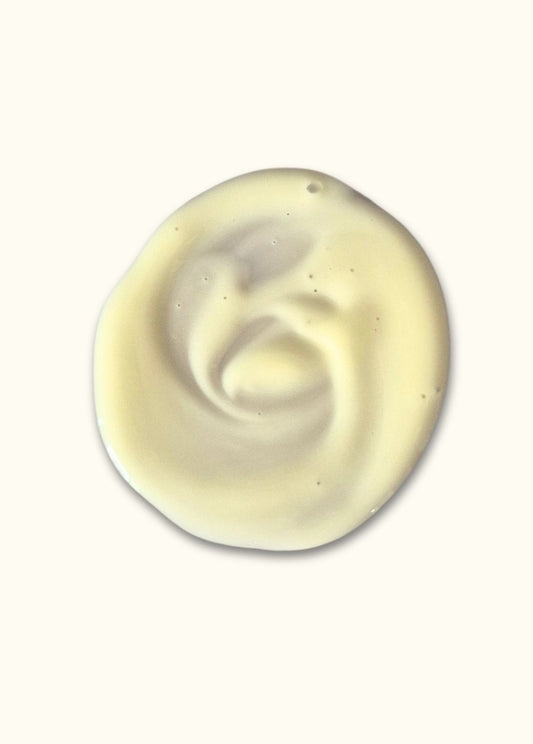
EMULSIFY restorative cleansing balm
Regular price From $13.00 AUDRegular priceUnit price per -
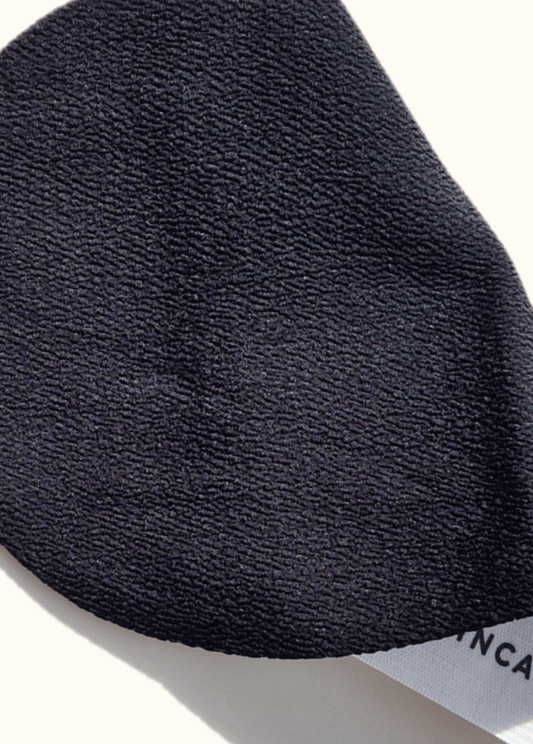
BODY EXFOLIATING MITT Reusable. Durable. Ultra-refining
Regular price $14.95 AUDRegular priceUnit price per -
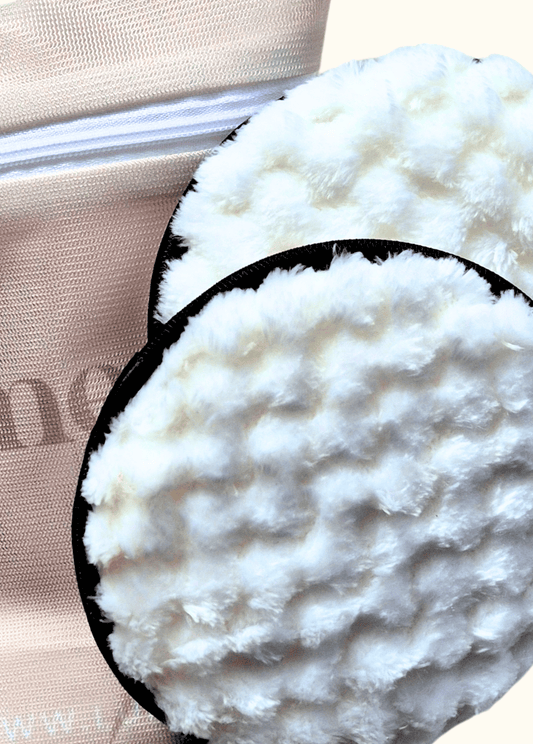
CLEANSING PADS Reusable. Durable. Ultra-soft.
Regular price $17.95 AUDRegular priceUnit price per





"Pigmentation does not appear overnight - and it doesn’t disappear overnight either. With consistent use of corrective ingredients, skin can gradually become clearer, brighter and more even in tone."
-
DEFEND strengthening C serum
Regular price From $75.00 AUDRegular priceUnit price per -
VITALITY instant b hydrator
Regular price From $41.00 AUDRegular priceUnit price per -
ACCELERATE transforming serum
Regular price From $70.00 AUDRegular priceUnit price per -
RECHARGE energising B serum
Regular price From $70.00 AUDRegular priceUnit price per -
RENEW 0.25% retinal repairing serum
Regular price From $70.00 AUDRegular priceUnit price per -
REVITALISE night renewal serum
Regular price From $70.00 AUDRegular priceUnit price per -
RESOLVE 0.5% retinal resurfacing serum
Regular price From $75.00 AUDRegular priceUnit price per -
ACCELERATE PLUS transforming night serum
Regular price From $75.00 AUDRegular priceUnit price per -
FADE brightening serum
Regular price From $70.00 AUDRegular priceUnit price per -
RENEW 1% retinal corrective serum
Regular price From $85.00 AUDRegular priceUnit price per




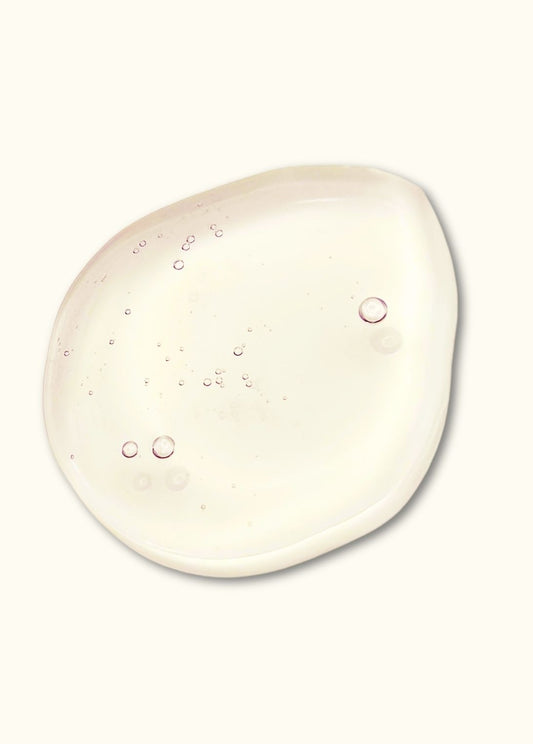

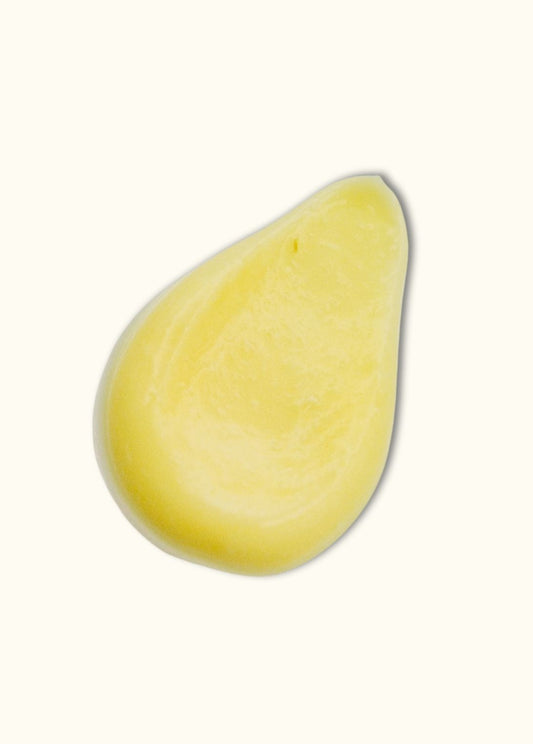

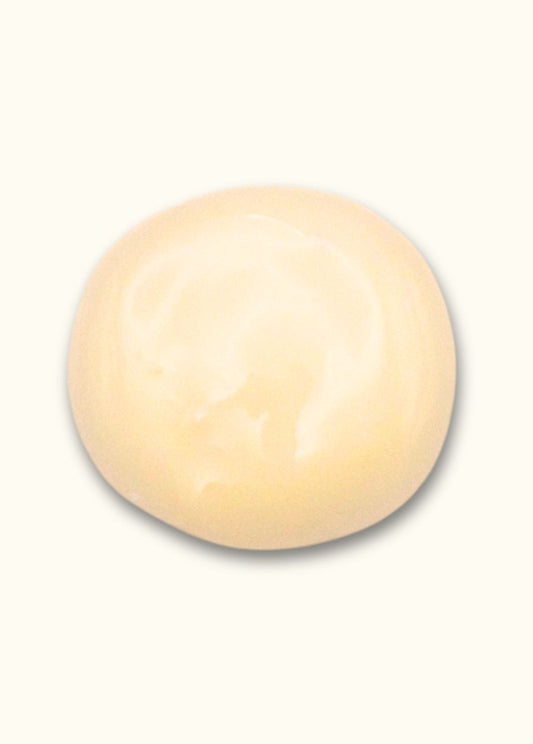

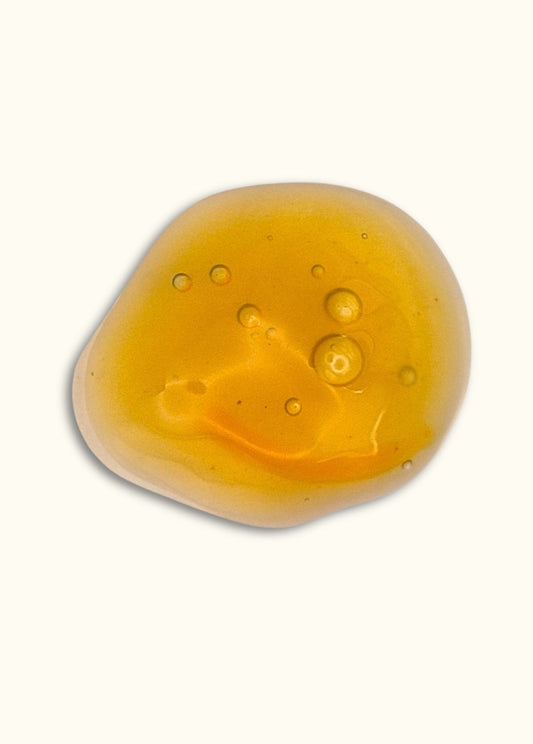

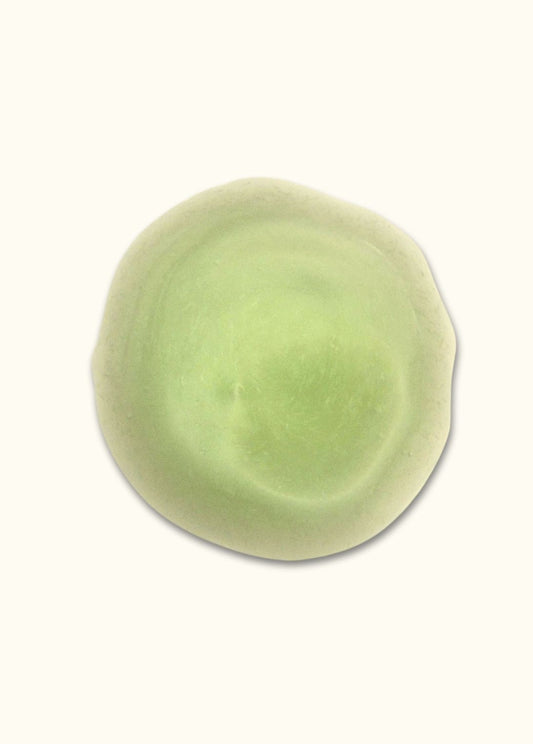

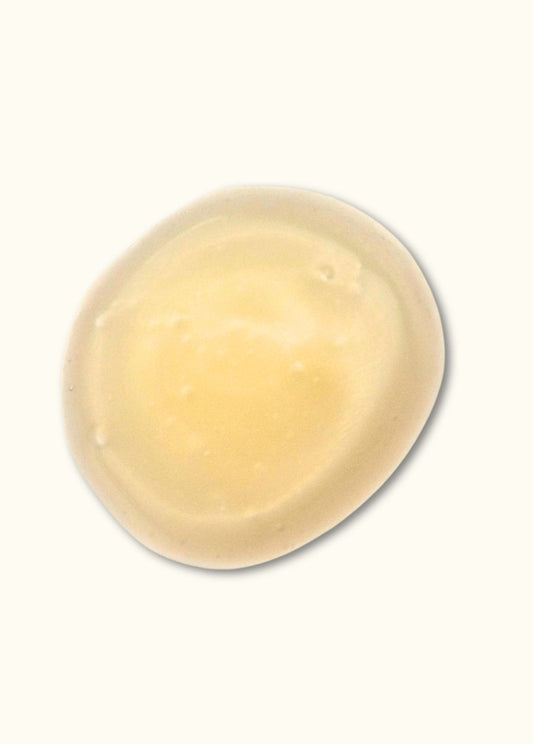

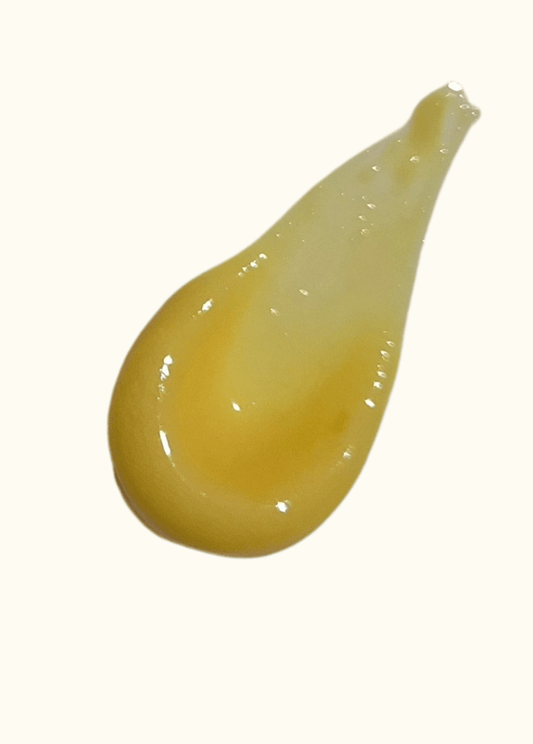
"Hydration isn’t optional and everyone's skin needs it. It’s what keeps your skin functioning properly while you’re correcting dysfunction."
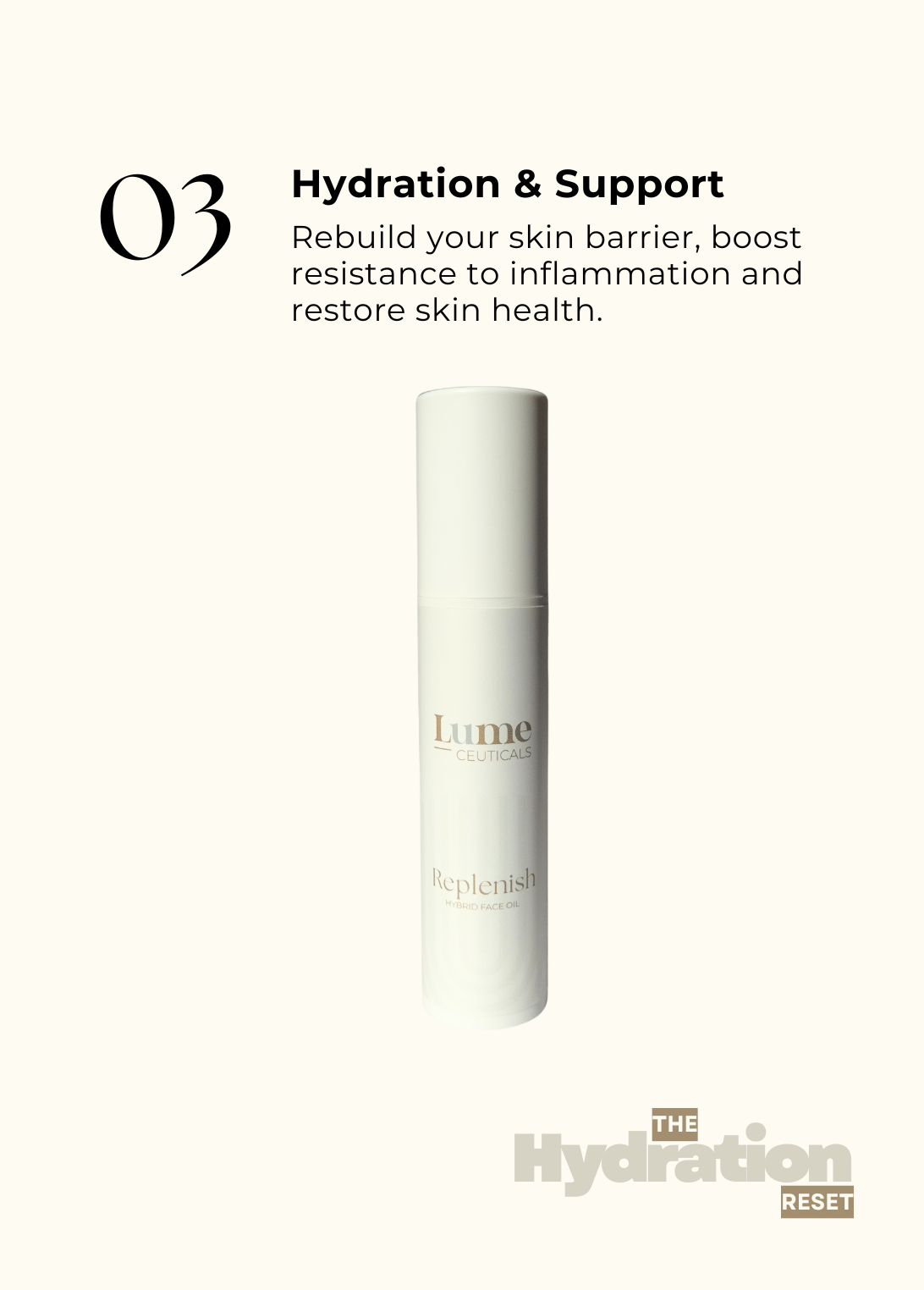
Step 3 - Hydration & Support
-
HYDRATE hyaluronic booster
Regular price From $30.00 AUDRegular priceUnit price per -
REPLENISH hybrid face oil
Regular price From $48.00 AUDRegular priceUnit price per -
PAUSE skin support serum
Regular price From $80.00 AUDRegular priceUnit price per -
VITALITY instant b hydrator
Regular price From $41.00 AUDRegular priceUnit price per -
NOURISH restorative moisturiser
Regular price From $51.00 AUDRegular priceUnit price per